Inflammation: What Is Your Body Trying To Tell You
Inflammation gets a pretty bad reputation.
We hear words like inflammatory, inflamed, and chronic inflammation, and immediately assume something has gone wrong.
But inflammation itself isn't the enemy.

Inflammation is a normal and necessary part of how your body protects and repairs itself. The problem is when your body is constantly being asked to respond to stressors without enough time or resources to recover.
And those stressors can come from places we don't always think about.
Stress. Food. Digestion. Lack of recovery. Environmental exposures.
Sometimes the symptom we feel isn't actually where the problem begins.
The achy joint may not be about the joint.
The irritated skin may not be only about the skin.
The bloating may not simply be about what you ate that day.
Our bodies are interconnected, and sometimes we need to zoom out and look at the bigger picture.
Stress: One of the Biggest Drivers We Overlook
Let's start with something most of us experience every single day: stress.
Your nervous system is constantly taking in information and asking one very basic question:
Am I safe?
When your body perceives stress, it shifts into a state designed to help you deal with that stressor. Hormones such as cortisol and adrenaline help mobilize energy and prepare you to respond.
That's incredibly helpful when you actually need it.
The problem comes when your body never gets the message that the stress is over.
Think about the combination of work deadlines, family responsibilities, emotional stress, poor sleep, under-eating, intense exercise, financial stress, constant notifications, and never truly taking time to recover.
Your body doesn't necessarily know the difference between all of these stressors.
It simply knows that it's being asked to stay "on."
Over time, chronic stress can affect digestion, blood sugar regulation, sleep, immune function, muscle tension, and inflammatory signaling.
This is why nervous system care isn't just about feeling relaxed.
It's part of caring for your physical body.
Your body needs both challenge and recovery.
I love movement. I love strength training. I love challenging the body and watching it become stronger.
But more isn't always better.

Exercise is a stressor, even when it's a healthy one. Your body needs recovery time to repair the muscles, replenish energy, and adapt to the work you've given it.
This is why I believe in a combination of:
Challenging movement and strength training
Walking and daily movement
Regular bodywork
Mobility and stretching
Quality sleep
Actual rest days
Time outside
Deep breathing
Time away from screens
Doing things that genuinely make you feel good
You don't need to eliminate stress from your life.
That's impossible.
Instead, we want to become better at moving between stress and recovery.
Challenge your body.
Then let it recover.
Work hard.
Then rest.
Give.
Then receive.
Your nervous system needs to experience both.
Your Gut Is Part of the Inflammation Conversation
Now let's talk about food.
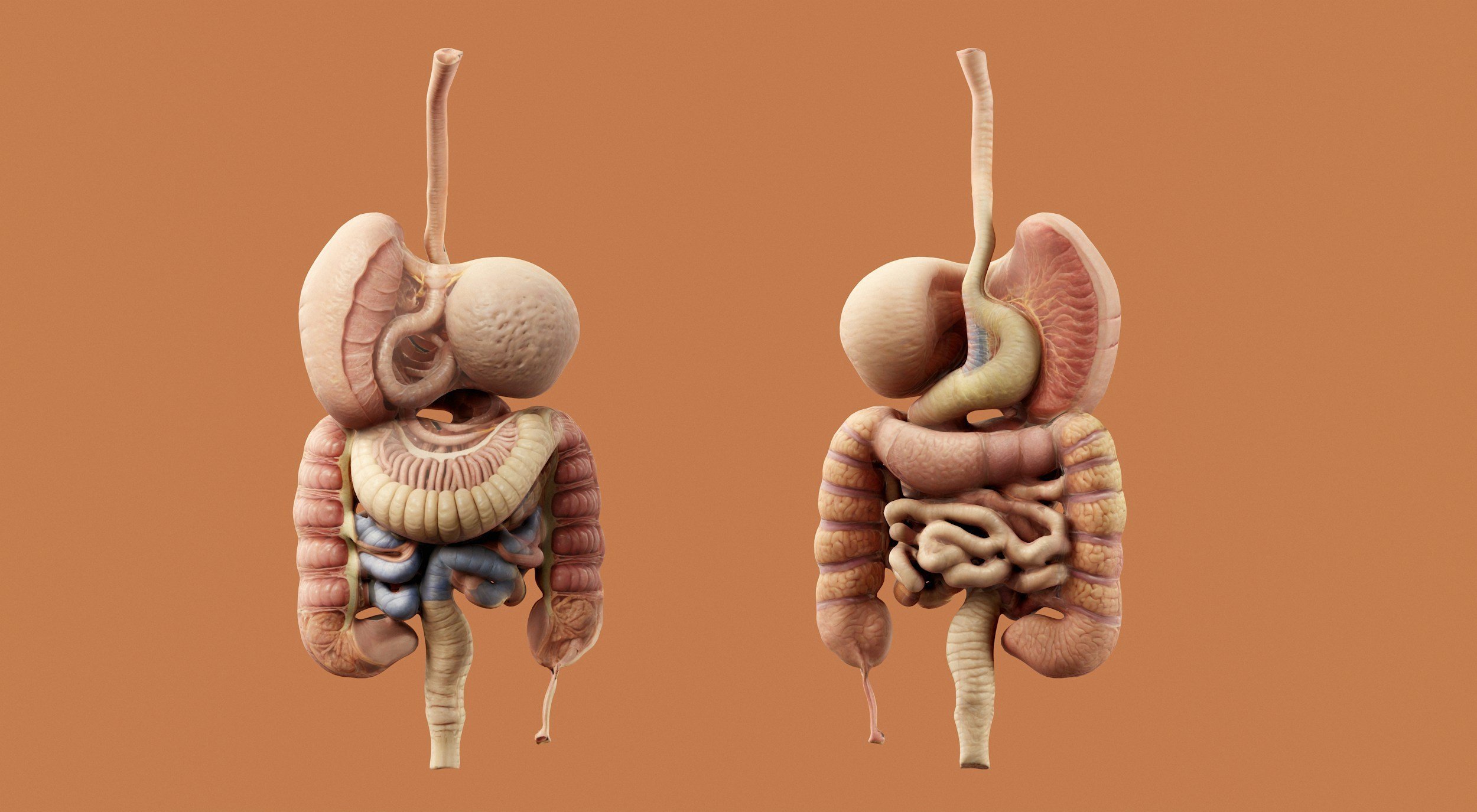
Your digestive tract is one of the primary places where your body interacts with the outside world. Everything you eat and drink has to pass through this system before your body can decide what to absorb, what to use, and what to eliminate.
The lining of your small intestine is designed to be selective.
Nutrients need to pass through so your body can use them, while unwanted substances are meant to remain outside the bloodstream.
One part of this protective system involves structures called tight junctions, which help regulate the spaces between the cells lining your intestinal wall.
When the intestinal barrier becomes irritated or disrupted over time, intestinal permeability can increase.
You've probably heard this referred to as "leaky gut."
And while this term gets thrown around a lot, the underlying concept is important.
The health of your gut barrier and the health of your immune system are closely connected. When the intestinal environment is continually irritated, it can contribute to immune activation and inflammatory signaling.
And this is where digestive issues can sometimes become a much bigger conversation.
Bloating.
Gas.
Changes in bowel movements.
Abdominal discomfort.
Skin issues.
Food reactions.
And for some people, inflammatory symptoms elsewhere in the body.
Your gut isn't an isolated system.
It's part of the whole picture.
It's Not Just WHAT You Eat. It's HOW You Eat.
This is one of my favorite pieces of the digestion conversation because it's so simple.
You can eat the most beautiful, nutrient-dense meal in the world...
...but if you're eating it while rushing between appointments, answering emails, scrolling your phone, or feeling completely stressed out, your body may not be in the best state to digest that meal.
Digestion begins before your food even reaches your stomach.
The brain, mouth, stomach, pancreas, liver, gallbladder, small intestine, and large intestine all have a role to play.
Your nervous system is part of this process too.
When you're in a more relaxed, parasympathetic "rest and digest" state, your body can focus more of its resources on digestion and absorption.

So before your next meal, try this:
Put your phone down.
Take a few slow breaths.
Look at your food.
Slow down.
Chew your food thoroughly.
Actually taste your meal.
It sounds almost too simple, doesn't it?
But digestion isn't just about what is on your plate.
It's also about the environment in which you eat it.
Food Can Nourish You, But It Can Also Be a Stressor
There isn't one perfect diet for every person.
The foods that make one person feel amazing may leave someone else bloated, uncomfortable, fatigued, or inflamed.
This is where bio-individualitybecomes so important.
A nutrient-dense, whole-food diet provides the vitamins, minerals, protein, carbohydrates, fats, and other nutrients your body needs for energy, repair, hormones, immune function, and overall health.
But even a "healthy" food may not be the right food for you at a particular time.
This is one reason I believe in looking at the individual rather than simply handing everyone the same list of foods.
If you are experiencing ongoing digestive symptoms, identifying potential triggers can be incredibly valuable.
This is where tools like GI-MAP testing and MRT food sensitivity testingmay provide additional information for appropriate clients.
The goal isn't to create a giant list of foods you're afraid to eat.
The goal is to gather information.
What is happening inside the digestive system?
Are there foods that may be contributing to symptoms?
How is the microbiome functioning?
What does this individual body need more or less of?
Food should not become another source of anxiety.
It should become a source of nourishment.
So What Does Eating for Less Inflammation Actually Look Like?
It doesn't have to mean an expensive grocery bill or a refrigerator full of specialty foods.
Start simple.
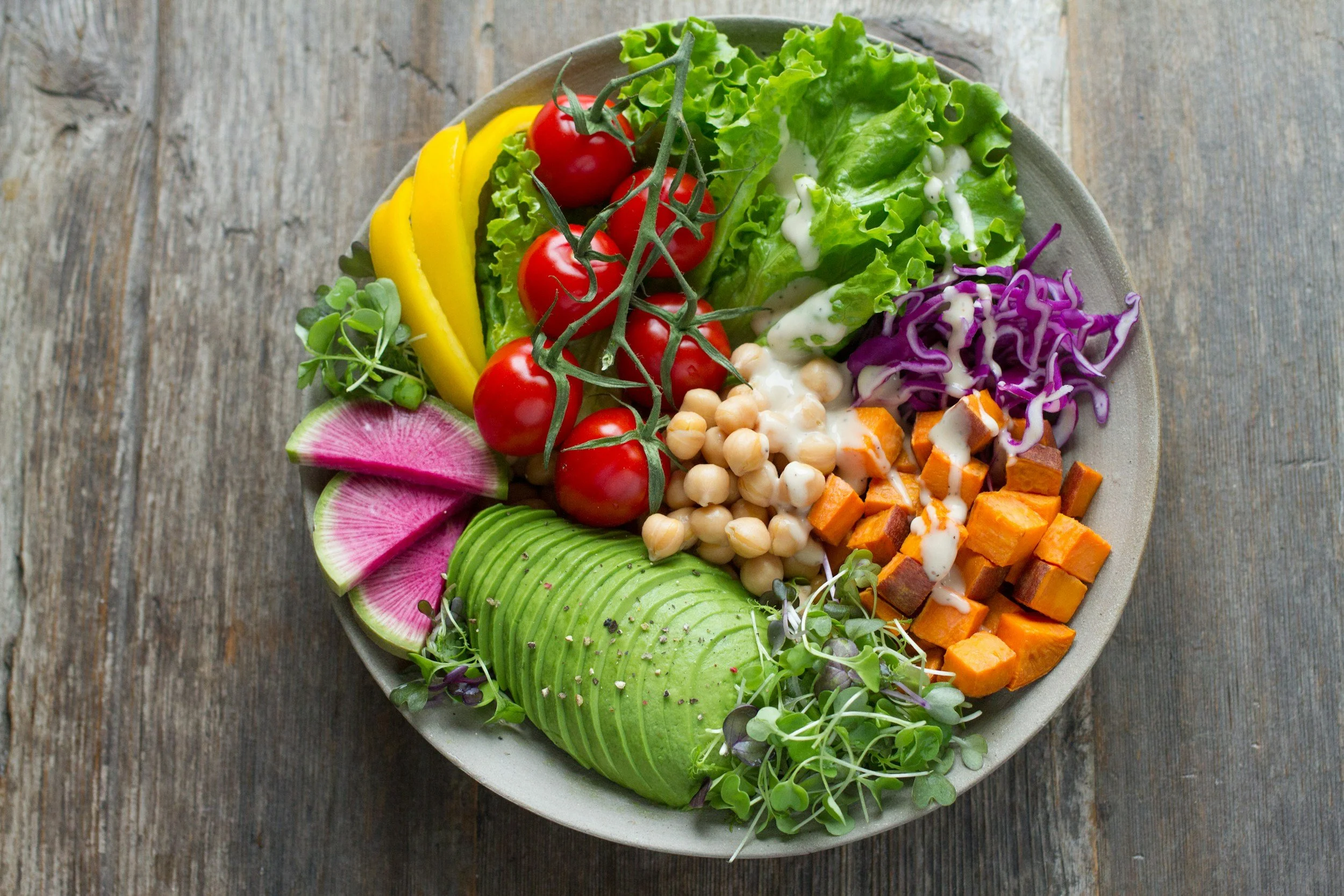
Eat real food.
Think:
Quality protein
Vegetables
Fruit
Properly prepared whole-food carbohydrates
Healthy fats
Fermented foods if tolerated
Nutrient-dense foods that you actually enjoy
Slow down.
Give your body time to recognize that it's time to eat and digest.
Chew your food.
Digestion starts in your mouth. Your stomach shouldn't have to do all the work.
Pay attention to your body.
Notice how you feel after different foods.
Energy.
Digestion.
Bloating.
Skin.
Mood.
Cravings.
Satiety.
Find what works for YOU.
More restriction isn't always the answer.
Sometimes the answer is better digestion, better nourishment, better meal timing, better stress management, and identifying the foods that your individual body doesn't tolerate well.
Your Environment Matters Too
Here's another piece of the inflammation conversation that often gets overlooked.
We don't only interact with our environment through the food we eat.

We breathe it.
We touch it.
We put it on our skin.
We sleep in it.
We wash our clothes in it.
We clean our homes with it.
Think about how many products you interact with every single day:
Laundry detergent.
Fabric softener.
Dryer sheets.
Perfume.
Body wash.
Shampoo.
Lotion.
Makeup.
Deodorant.
Cleaning products.
Air fresheners.
And then there are the materials we wear and surround ourselves with.
This doesn't mean that every synthetic ingredient or chemical exposure is automatically harmful.
Our bodies are incredibly resilient.
But our total environmental exposure matters, and reducing unnecessary exposure can be a simple way to support the body's overall burden, especially when we're already dealing with other stressors.
And here's the best part:
You don't have to throw away everything you own.
Please don't turn "creating a healthier home" into another reason to stress yourself out.
Start small.
Easy, Affordable Swaps
Laundry
Instead of:
Heavily fragranced detergent
Fabric softener
Dryer sheets
Try:
Fragrance-free detergent
Wool dryer balls
Skipping fabric softener
Body + Skincare
Instead of:
Heavily fragranced lotions
Multiple scented body products
Daily perfume
Try:
Fragrance-free products
Simpler ingredient lists
A simple body oil or moisturizer
You don't need 14 products to have healthy skin.
Home Cleaning
Instead of:
Strongly fragranced cleaners
Air fresheners
Scented sprays
Try:
Unscented cleaning products
Simple soap-based cleaners
Appropriate use of vinegar and water
Opening the windows and bringing in fresh air
Clothing
You don't need to replace your entire wardrobe.
But when it's time to replace something, consider choosing natural fibers such as:
Cotton
Linen
Wool
Hemp
Small changes add up.
One fragrance-free laundry load is still one less source of unnecessary fragrance exposure.
One simpler skincare product is still a step in the right direction.
It doesn't have to be perfect to be helpful.
Inflammation Is Often a Whole-Body Conversation
This is probably the biggest takeaway I want you to leave with.
Inflammation isn't always as simple as:
"I ate something bad."
Or:
"My joints hurt because I'm getting older."
Or:

"My skin is just sensitive."
There can be layers.
Maybe you're chronically stressed.
Maybe you're not sleeping enough.
Maybe you're training hard but never taking a true rest day.
Maybe you're eating foods that don't agree with your digestive system.
Maybe you're eating quickly and constantly in a stressed state.
Maybe your gut needs some attention.
Maybe your environment is adding another layer of stress.
Or maybe it's a combination of several small things that have accumulated over time.
This is why I believe in looking at the roots rather than simply chasing symptoms.
Ask yourself:
What is stressing my body?
What is nourishing it?
What needs more support?
What can I change without creating even more stress?
You don't need to overhaul your entire life tomorrow.
Start with one meal.
One walk.
One strength workout.
One massage.
One evening without your phone.
One real rest day.
One simple ingredient swap.
One deep breath before you eat.
Small changes become powerful when we practice them consistently.
Your Body Is Always Communicating With You
Inflammation isn't always something we need to fight.
Sometimes it's something we need to listen to.
Your body is constantly communicating with you through your energy, digestion, skin, muscles, joints, sleep, mood, and so much more.
The question is:
Are you listening?
When we begin looking at the whole picture, stress, digestion, nourishment, movement, recovery, and our environment, we can start addressing the things that may be keeping the body stuck in a cycle of stress and inflammation.
You don't have to do everything perfectly.
You just have to start listening.
Get to the roots.
Find your balance.
Root & Regulate.