Why Your Pain Keeps Coming Back: The Missing Piece Most People Overlook
As a massage therapist, I see it every day.
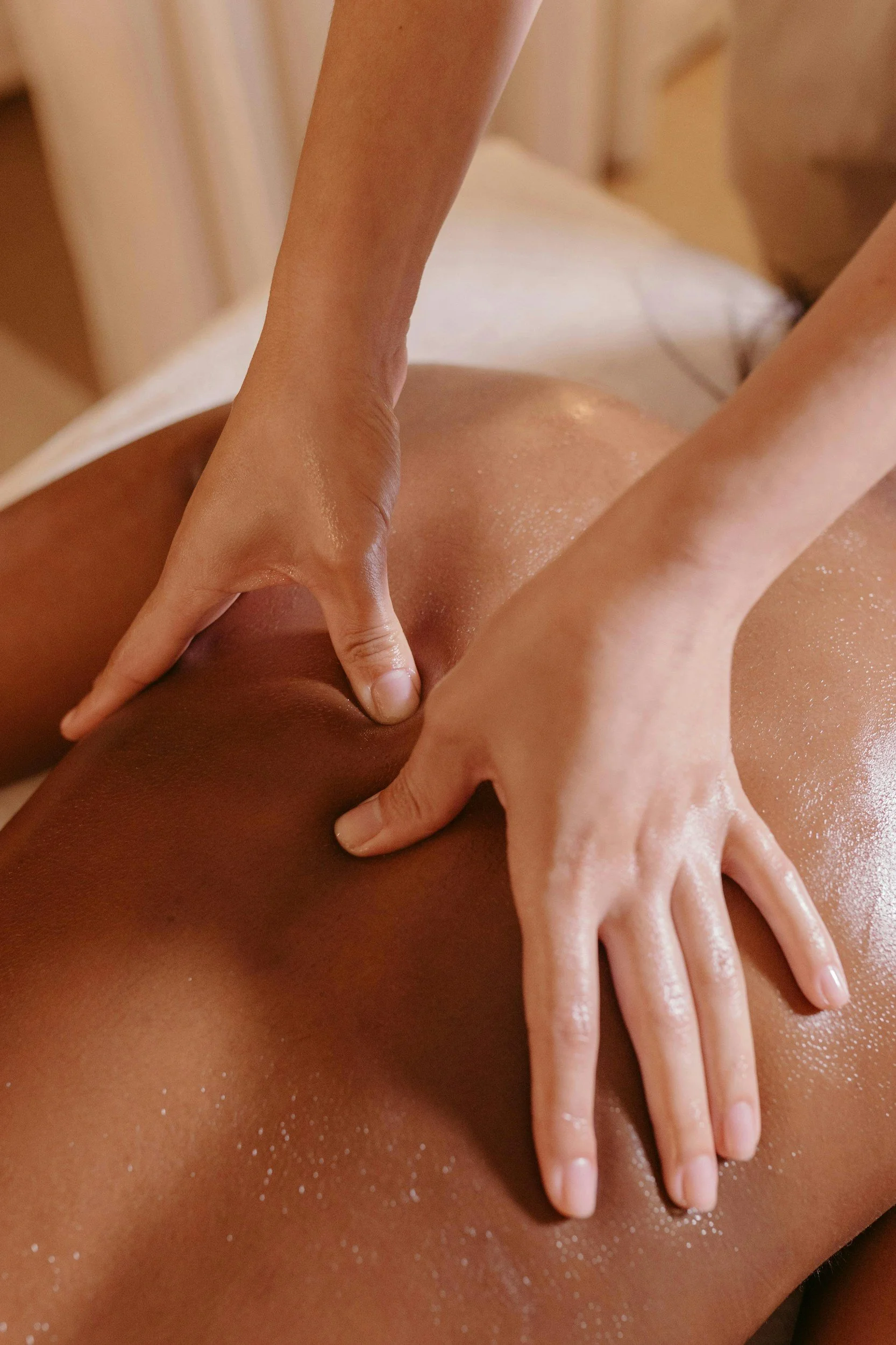
Someone finally gets their neck pain under control, only for it to flare up again after a busy week at work. Their low back feels great after a session, but after a weekend hike or a long day gardening, the familiar ache returns. Sometimes the opposite happens. They take a vacation, spend more time sitting, and suddenly their hips or shoulders begin acting up again.
Many people assume pain is simply something we have to manage forever.
But what if recurring pain isn't actually the problem?
What if it's simply the message?
When Pain Isn't the Root Cause

Bodywork can be incredibly effective for relieving pain, improving mobility, and helping calm an overwhelmed nervous system. In some cases, massage and manual therapy can provide lasting relief.
But more often than not, chronic pain isn't just a tissue problem.
It's a movement problem.
Over time, our bodies develop compensation patterns. We sit, stand, walk, exercise, and work in ways that cause certain muscles to become overactive while others gradually stop contributing the way they were designed to.
The body is remarkably intelligent. If one area isn't doing its job, another area will gladly pick up the slack.
Unfortunately, that borrowed stability usually comes with a price.
The Body Moves as a System
Most people think of pain in isolated parts.
A tight shoulder means something is wrong with the shoulder.
An achy knee must mean there's a knee problem.
A sore low back means the back is weak.
But the body doesn't work that way.
Muscles, fascia, joints, and the nervous system all work together through interconnected chains. Dysfunction in one area can influence movement patterns throughout the entire body.
For example, I commonly see clients with a tight right shoulder and restricted latissimus dorsi muscle. At first glance, it may seem like an upper body issue.
But that tightness can create a cross-body compensation pattern that affects the opposite hip and glute.
Through a connection known as the posterior oblique sling, the right lat communicates with the left glute through the thoracolumbar fascia. When one side becomes overly dominant, the opposite side often struggles to fire efficiently.
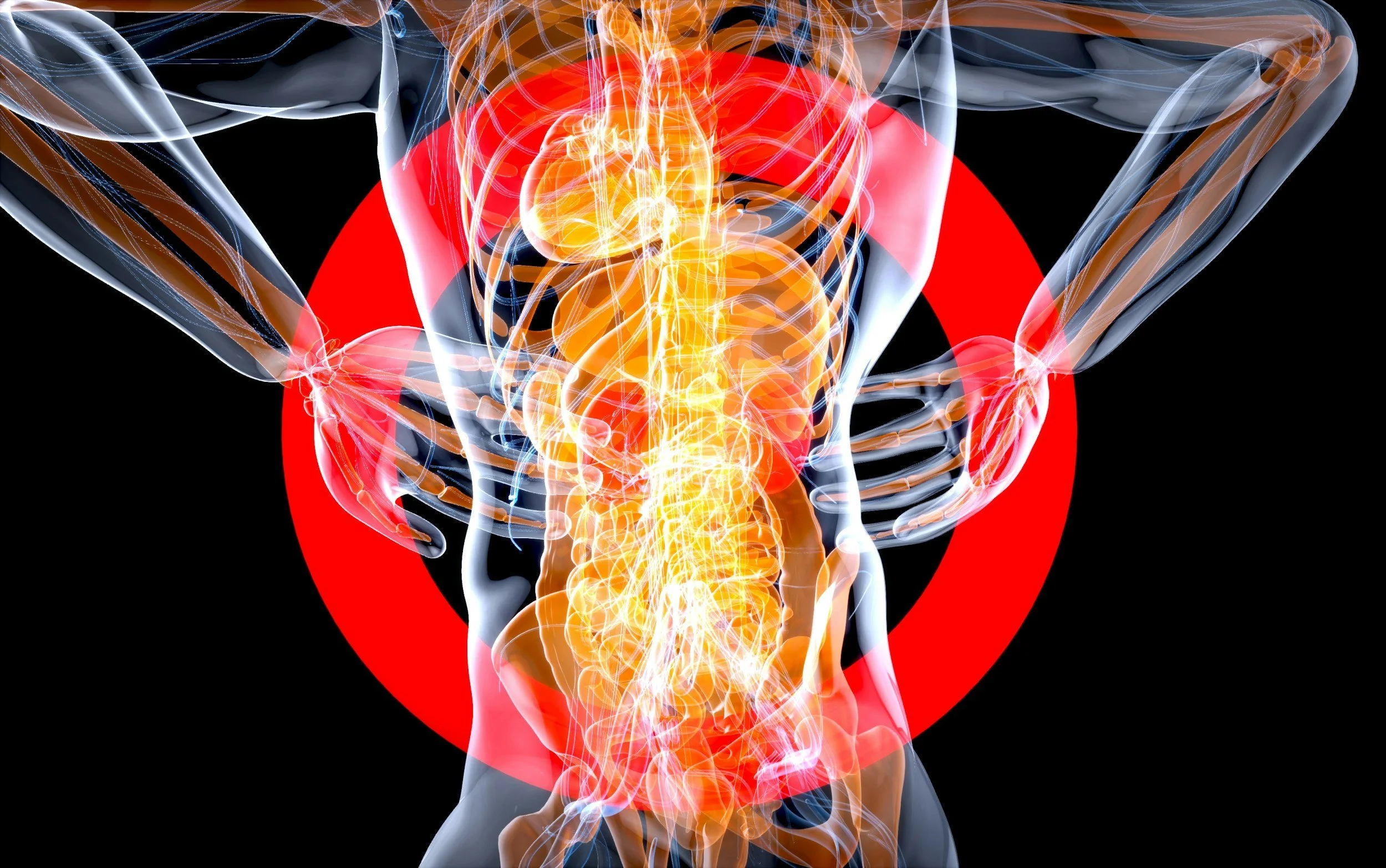
The result?
Poor pelvic stability.
Increased stress on the SI joint.
Overworked hamstrings.
Hip flexor tightness.
Low back pain.
And eventually, the same symptoms keep showing up over and over again.
Nothing is necessarily broken.
The body has simply found another way to accomplish the task.
Compensation Is Normal
Compensation isn't bad.
In fact, it's one of the reasons we survive.
Your body will always prioritize movement over perfection.
If your glutes aren't contributing properly, your low back will help.
If your core isn't providing stability, your neck and shoulders may take over.
If one hip is weak, the opposite side will often become overworked.
The problem is that compensation patterns are only meant to be temporary.
When they become permanent, pain often follows.
Why Massage Alone Isn't Always Enough
This is one of the reasons I believe bodywork and strength training complement one another so beautifully.
Massage helps restore mobility, reduce tension, improve circulation, and calm the nervous system.
But movement teaches the body how to maintain those changes.
Without addressing the underlying movement pattern, the body often returns to the same compensation strategy that created the problem in the first place.
Think of massage as creating space.
Strength training teaches your body how to use that space.
Both are powerful.
Together, they are even more effective.
Why Stability Comes Before Strength
One of the biggest mistakes people make is jumping straight into heavy lifting without first addressing asymmetries and stability.
Bilateral exercises like squats, deadlifts, and bench presses are fantastic, but they also allow stronger muscles to compensate for weaker ones.
One side quietly does more work while the other side simply goes along for the ride.
Eventually those imbalances become stronger and more deeply ingrained.

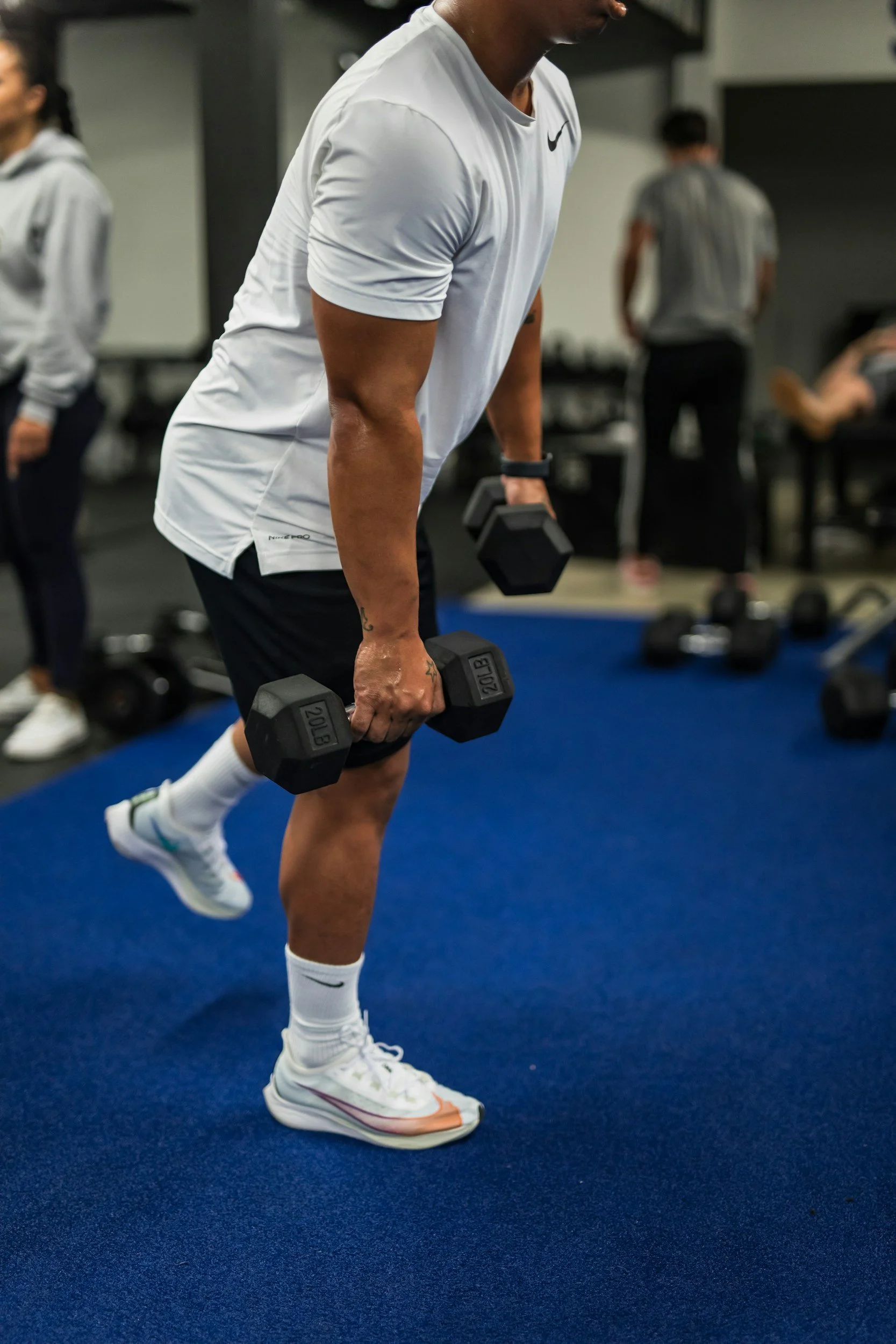
That's why I designed the first six weeks of my 12-week strength guide around unilateral training.
Single-leg and single-arm movements force each side of the body to work independently. They expose imbalances while strengthening the smaller stabilizing muscles responsible for joint health and proper movement.
Exercises such as step-ups, single-leg glute bridges, single-leg Romanian deadlifts, and single-arm rows help restore balance while improving coordination, proprioception, and neuromuscular control.
Only after establishing that foundation do we move into heavier bilateral compound exercises.
You don't build a house on sand.
The foundation comes first.
Your Nervous System Learns Before Your Muscles Grow
One of the most fascinating things about strength training is that early improvements have very little to do with muscle size.
During the first several weeks, the nervous system becomes more efficient at recruiting muscle fibers and coordinating movement.
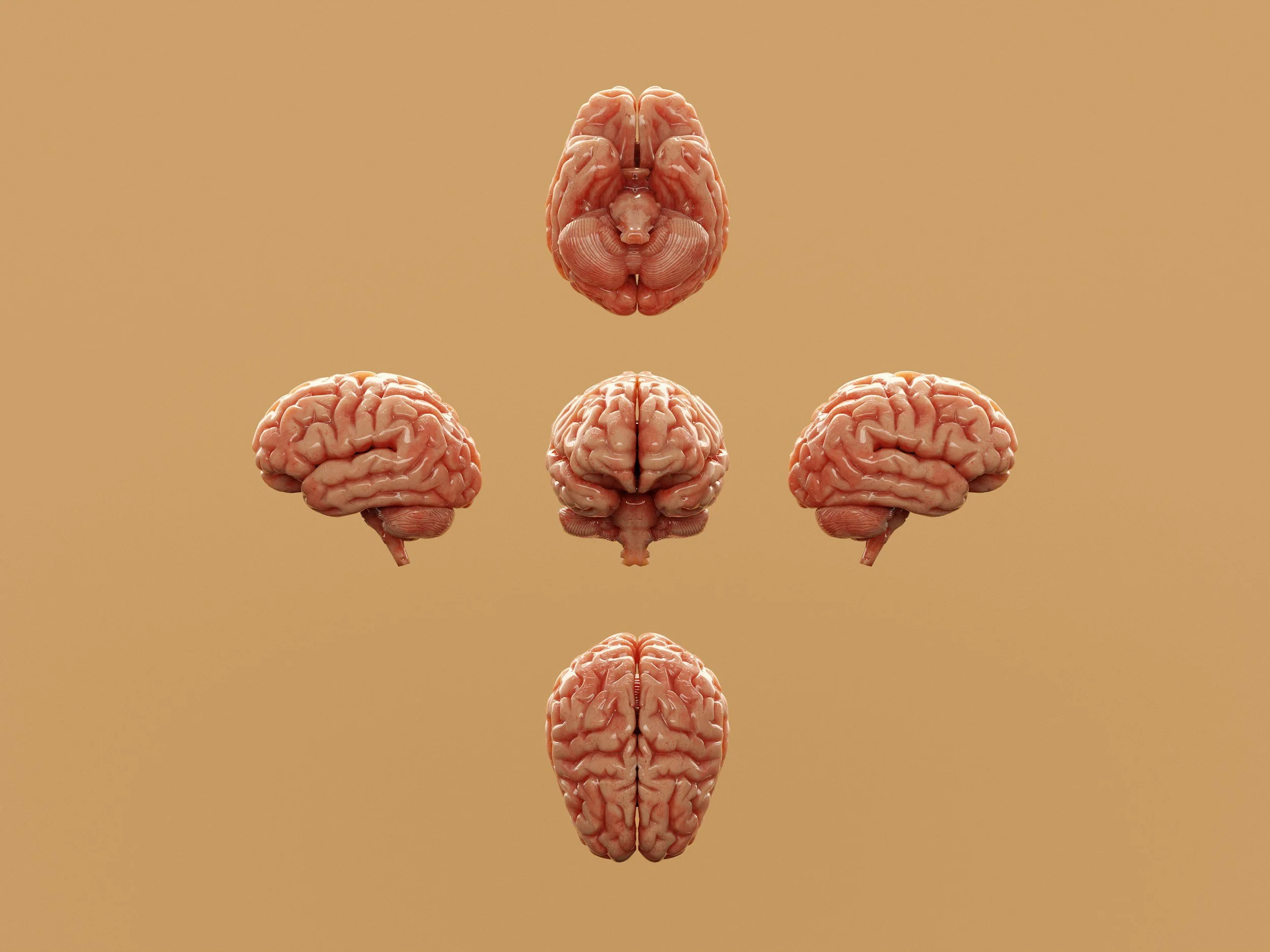
In other words, your body becomes smarter before it becomes stronger.
This is why many people notice they move better, feel more stable, and experience less pain long before they notice major physical changes.
Their body is learning how to distribute forces more efficiently.
And that's exactly what we want.
Strong Bodies Are Resilient Bodies
Strength training isn't just about aesthetics.
It's about longevity.
It's about maintaining independence.
It's about carrying groceries without pain.
Playing with grandchildren.
Traveling.
Gardening.
Hiking.
Living fully.
The stronger and more balanced we become, the more resilient we become.
Pain-free movement isn't about eliminating every ache and discomfort.
It's about building a body that can adapt to the demands of life.
Movement Is Medicine
I love bodywork and I believe it has tremendous value.
But perhaps the most powerful form of bodywork is the kind you do for yourself.
That's why I created my free 12-Week Strength Guide.
The program starts with six weeks of unilateral stability work designed to correct imbalances and improve movement quality before progressing into compound strength training.
Because lasting change doesn't come from chasing symptoms.
It comes from addressing the root.
And sometimes, the missing piece isn't more stretching, another massage, or a stronger pain medication.
Sometimes, the answer is simply teaching your body how to move again.