Fascia: The Secret System That Might Be Behind Your Stiffness, Pain, and “Holding Patterns”
If you’ve ever said things like…
“I feel tight all the time.”
“My body just doesn’t move like it used to.”
“My shoulders live up in my ears.”
“I feel stuck, but I don’t know why.”
“I stretch and stretch and nothing changes.”
Then I want to introduce you to something most people have never heard of… but almost everyone is dealing with.
Meet Fascia: Your Body’s Internal Web
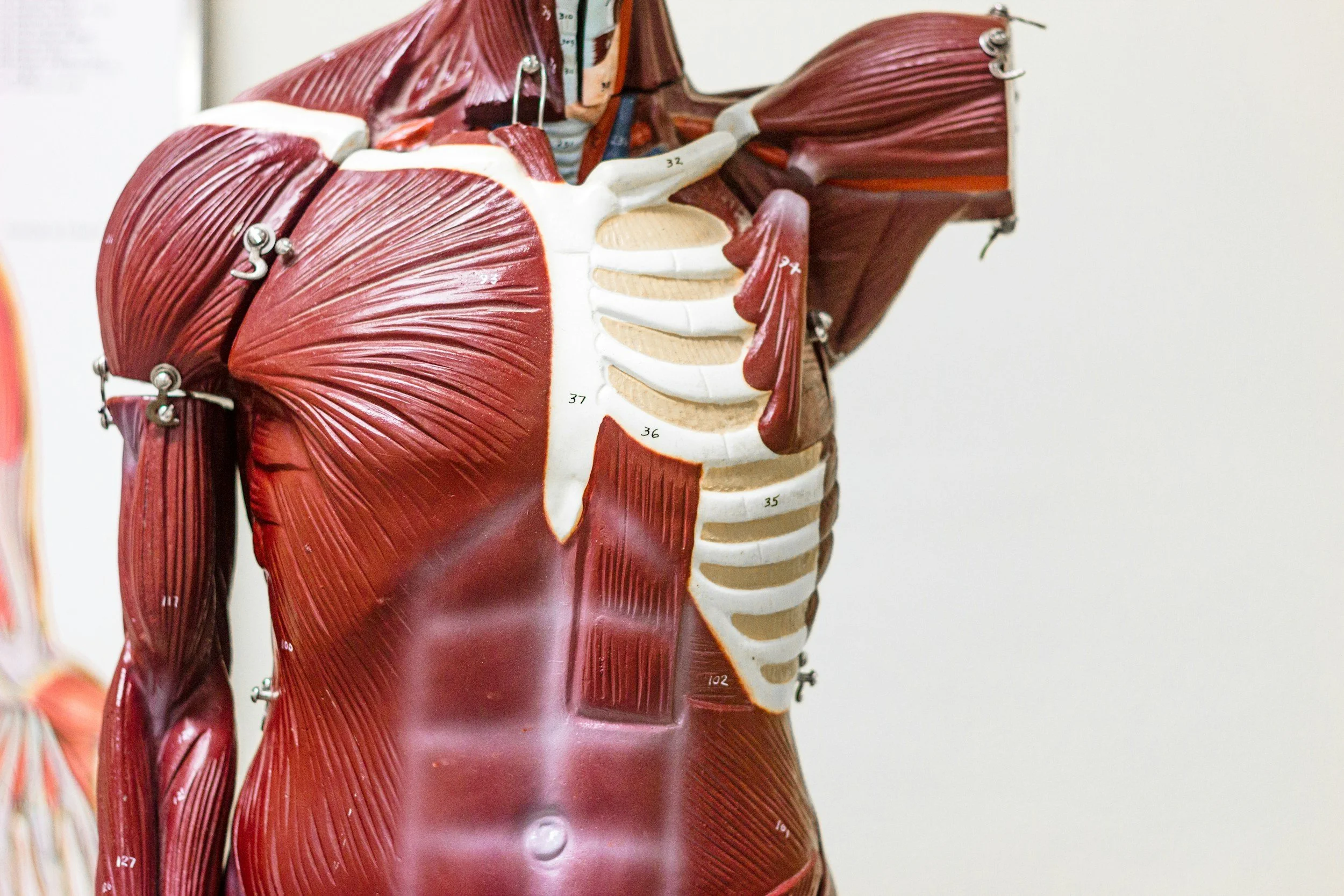
Fascia is connective tissue. But honestly, calling it “connective tissue” doesn’t even do it justice.
Think of fascia as a full-body spiderweb or a stretchy bodysuit under your skin. It wraps around muscles, bones, organs, nerves, and blood vessels. It literally holds everything together and helps everything glide and move smoothly.
Healthy fascia is soft, hydrated, and elastic. It allows your muscles to move freely and your joints to have proper range of motion. It’s part of what helps your body feel fluid and strong.
But when fascia gets dehydrated, inflamed, stressed, or stuck, it can start to feel like your body is moving through cement. And that’s when people start living with stiffness, discomfort, and chronic pain patterns that don’t always make sense.
Why Fascia Matters More Than You Think
Here’s the thing… fascia isn’t isolated.
It’s connected throughout your entire body. So tension in your feet can affect your calves. Tightness in your hips can show up as low back pain. Restrictions in your ribs can mess with your breathing and your neck. The body is always compensating.
This is one reason why you can have pain in one area, but the root cause is coming from somewhere else.
And it’s also why people sometimes feel frustrated after trying to “fix” the pain with stretching or strengthening alone.
Because if fascia is restricted, you can stretch all day long and still feel stuck.
You’re not broken. Your body is just doing what it was designed to do: protect you.
Fascia and Chronic Pain: When Your Body Gets “Sticky”
Fascia is supposed to glide. It’s meant to slide smoothly over muscle and between tissue layers.
But life happens.
Injury happens.
Stress happens.
Surgery happens.
Poor posture happens.
Long work days happen.
Kids happen.
Trauma happens.
Sitting for 8 hours happens.
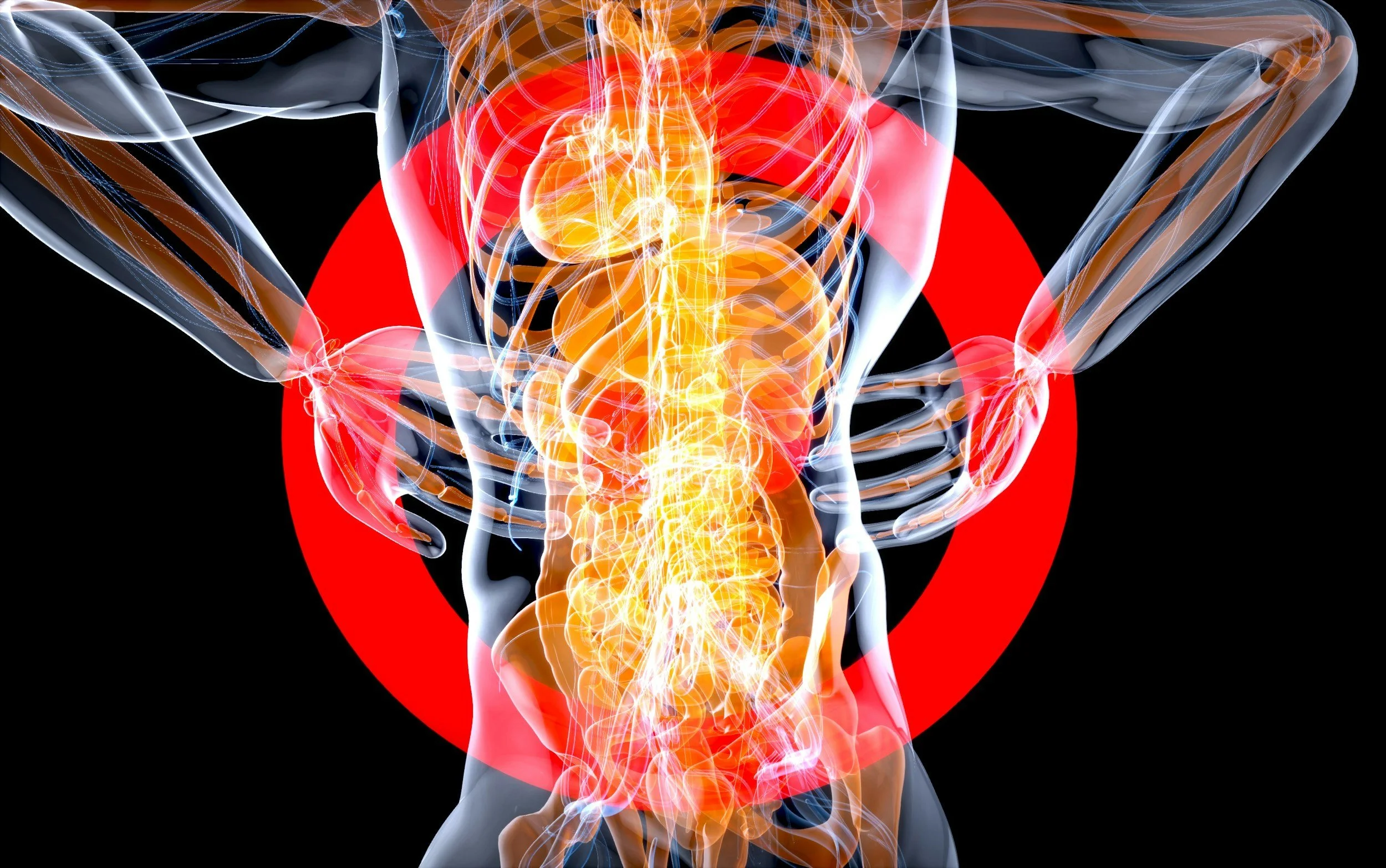
Over time, fascia can become more rigid, thick, and less mobile. It can start to feel “sticky,” like the layers aren’t moving freely anymore.
This can contribute to things like:

chronic neck and shoulder tightness
headaches and migraines
low back pain
hip restriction
sciatic-type symptoms
plantar fasciitis
jaw tension
poor posture patterns
general stiffness and soreness that seems to spread
Sometimes it shows up as those deep knots that feel like they have been living in your body for years.
Because… honestly, they probably have.
The Body Holds On (Even When You Think You’ve “Moved On”)
This is where things get interesting.
We often talk about stress like it’s just a mental thing, but stress is extremely physical. Your body responds to stress by tightening muscles and bracing. It’s a survival mechanism.
Your nervous system doesn’t care if the threat is a tiger or an inbox full of emails, a toxic relationship, grief, or financial pressure.
Stress is stress to your body.
And the body’s response is often tension.

That’s why so many people walk around with:tight shoulders
clenched jaws
shallow breathing
locked hips
a braced belly
tension headaches
chronic fatigue
“I can’t relax even when I’m resting” energy
This is not weakness. This is a nervous system that has been in overdrive for too long.
Your body has been trying to protect you.
But the longer the protection mode stays switched on, the harder it becomes to feel loose, safe, and mobile.
Why Myofascial Work Feels So Different Than Regular Massage
Traditional massage can feel amazing, but sometimes the body needs something slower, deeper, and more intentional. Myofascial release focuses on sustained pressure and slow melting into the tissue rather than quick strokes.
And that matters because fascia doesn’t respond well to force.
Fascia responds to time, patience, and safety.
That’s why deep slow work can feel like your body is finally letting go in a way you didn’t even realize you needed.
Sometimes clients tell me:
“I didn’t know I was holding that much tension.”
“I feel taller.”
“I can finally breathe.”
“My hips feel open for the first time in years.”
“My body feels quiet.”
And honestly, that’s one of my favorite parts of this work. Not just relieving pain, but helping the body remember how to feel regulated again.
Because healing isn’t always about pushing harder. Sometimes healing is about softening.
Hydration: Your Fascia Needs More Than Just Water
Let’s talk about something that seems too simple to matter, but actually makes a huge difference.
Fascia loves hydration.
If fascia is like a sponge-like web in your body, dehydration makes it tighter and more rigid. When tissues aren’t properly hydrated, things don’t glide well. Movement feels stiff. Stretching feels painful. Recovery feels slower.
But here’s the part people miss.

Hydration isn’t just about drinking water.
Hydration is about minerals too.
Your body needs electrolytes like sodium, potassium, magnesium, and chloride to actually hold onto and use the water you drink.
That’s why some people can drink a ton of water and still feel:
dry
crampy
fatigued
tight
headachy
lightheaded
puffy or inflamed
If your mineral balance is off, your cells don’t hydrate properly.
And if your cells aren’t hydrated… your fascia won’t be either.
This is why adding mineral-rich foods (and sometimes electrolytes) can make such a noticeable difference in how your body feels.
Some simple whole-food electrolyte sources include:
coconut water
citrus fruits
leafy greens
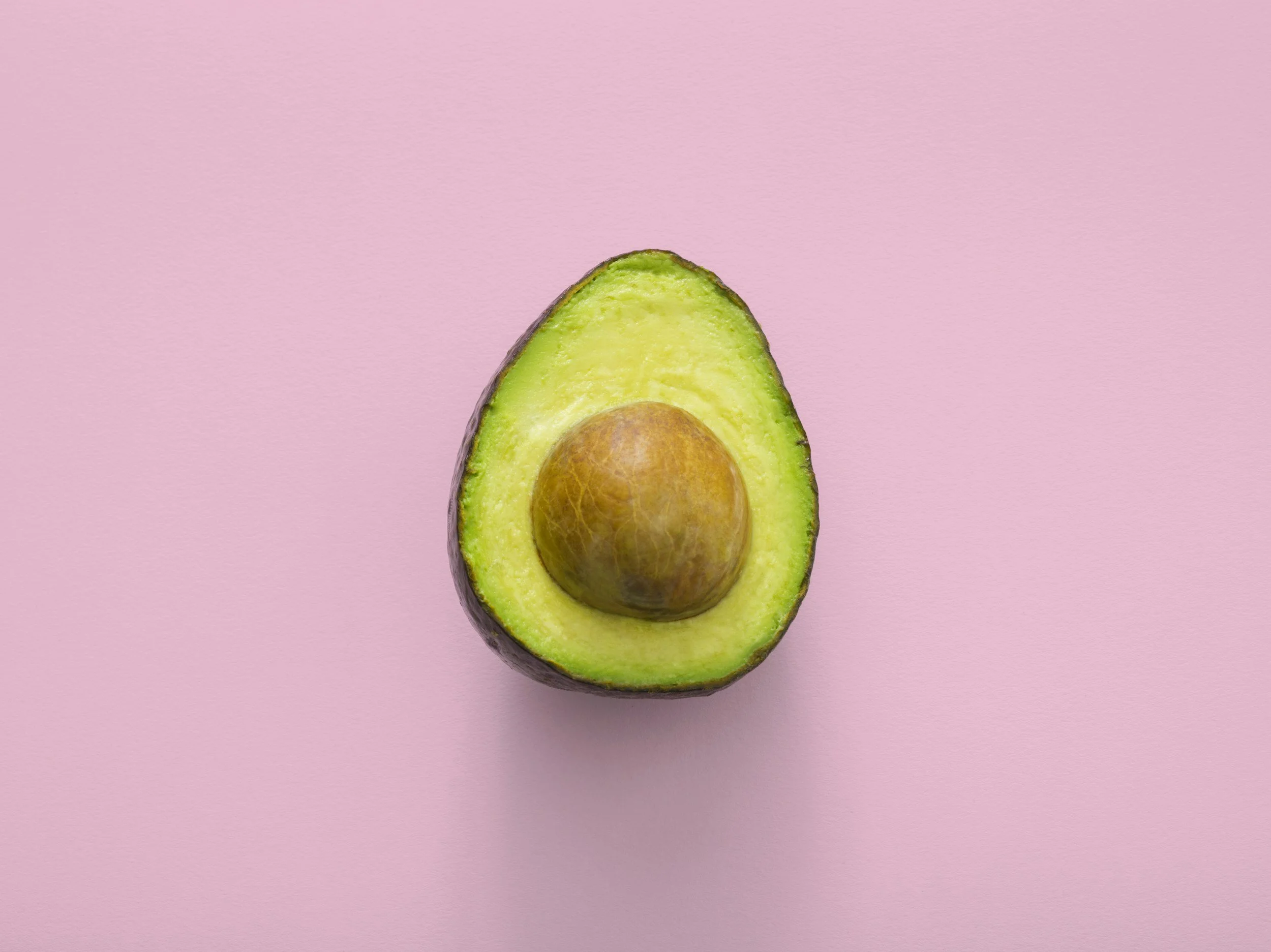
avocado
sea salt
bone broth
pumpkin seeds
bananas
potatoes
quality mineral water
Nothing fancy. Just real nourishment.
Nutrition That Supports Fascia Repair and Healthy Aging
Here’s the truth.
We can do all the bodywork in the world, but if your body doesn’t have the building blocks to rebuild tissue, it’s going to struggle.
Fascia is connective tissue, and connective tissue needs support.
So if you’re someone who is dealing with chronic pain, inflammation, stiffness, slow recovery, or aging joints, I want you to start thinking of food as tissue support.
Not dieting. Not restriction.
Support.
1. Protein: The Building Material
Protein is essential for repair. Period.
Your body uses protein to rebuild tissue, repair muscles, support collagen production, and maintain strength as you age.
If you are under-eating protein, your body can’t regenerate properly. You may feel weaker, more sore, and less resilient.
Some great options include:

eggs
chicken and turkey
grass-fed beef
fish and seafood
Greek yogurt or cottage cheese
lentils and beans
collagen-rich bone broth
And no, you don’t need to be perfect. But you do need consistency.
2. Omega-3s: Fascia’s Best Friend
Omega-3 fatty acids are one of the best anti-inflammatory supports we have access to through food.
If you want your tissues to rebuild and remain resilient, especially as you age, omega-3 rich foods should be part of your regular routine.
They help support joint health, tissue recovery, inflammation balance, and even brain and mood health.
My favorite omega-3 rich foods include:
salmon
sardines
mackerel
trout
herring
oysters
chia seeds
flax seeds
walnuts
If you’re someone who struggles with chronic pain, anxiety, inflammation, or stiffness, this is one of the first areas I look at.
Because omega-3 intake is often way lower than people realize.
3. Fiber: The Anti-Inflammatory Foundation
Fiber doesn’t directly “build fascia,” but it supports the gut.
And the gut supports everything.
Fiber helps regulate blood sugar, support detox pathways, feed beneficial gut bacteria, and lower inflammation over time.
When inflammation is high, connective tissue gets cranky. Healing slows down. Pain sensitivity increases. Energy drops.
Fiber-rich foods include:

berries
apples
leafy greens
broccoli
beans
lentils
oats
sweet potatoes
chia and flax
If your digestion is off, your fascia and nervous system will often reflect it.
Everything is connected.
Aging Doesn’t Have to Mean Falling Apart
One of the biggest lies we’ve been taught is that getting older automatically means pain, stiffness, and limited mobility.
Yes, our bodies change. But decline is not inevitable.
The body is always remodeling. Always adapting. Always responding to the environment you create for it.
Your fascia responds to:

hydration
movement
stress levels
nourishment
inflammation
nervous system regulation
bodywork
sleep quality
And when we start supporting those things, the body becomes more resilient.
It becomes more flexible. More mobile. More capable.
Your tissues don’t need perfection. They need consistency.
So What Can You Do Starting Today?
If your body feels stiff, tight, inflamed, or stuck, here are a few gentle starting points:

Start drinking water consistently throughout the day, not just at night when you realize you forgot.
Add minerals and electrolytes through food (and don’t fear salt if your body needs it).
Prioritize protein at breakfast, not just dinner.
Add omega-3 rich foods a few times a week.
Increase fiber slowly if your gut is sensitive.
Move daily, even if it’s just a walk and some stretching.
Get bodywork that supports the fascia and nervous system, not just surface tension.
And most importantly, stop judging your body for what it’s doing.
Your body isn’t failing you.
It’s adapting to the load you’ve been carrying.
A Root & Regulate Reminder
At Root & Regulate, we don’t just chase symptoms.
We look at the full picture.
Because chronic pain, tension, anxiety, and inflammation are rarely “just one thing.”
They’re often a combination of tissue health, nervous system stress, hydration, inflammation, and how supported your body feels overall.
When fascia is healthy, you move better. You recover better. You feel more at home in your body.
And you deserve that.
If your body has been whispering for relief… or screaming for it… it might be time to listen.
Your body is always communicating.
Let’s help it feel safe enough to soften.