Mineral Balance: The Spark Plugs of the Body
When we talk about health, most people jump straight to hormones, gut health, or stress. But none of those systems work without minerals. Minerals are the spark plugs of the body. They don’t provide energy themselves, but they make energy, movement, digestion, detox, and nerve signaling possible. Every heartbeat, muscle contraction, and nerve message depends on them.
Minerals act as cofactors for millions of chemical reactions happening inside your body every single second. When minerals are balanced, the body runs smoothly. When they’re not, things start to feel off, even if labs look “normal.”

What Happens When Minerals Are Out of Balanced
Mineral imbalances don’t usually show up as one obvious symptom. They show up as patterns. Fatigue that doesn’t improve with rest. Anxiety that feels physical. Muscle tightness, cramping, headaches, poor sleep, digestive issues, heart palpitations, and stubborn inflammation. Stress, poor digestion, ultra processed foods, chronic under eating, over exercising, and even “clean eating” without enough minerals can all contribute. Over time, the body starts borrowing minerals from where it can, often from bones and tissues, just to keep vital systems running.
Why Minerals Matter at the Cellular Level
Minerals don’t just “support” the body in a vague way. They’re required for life at the cellular level. Minerals act as essential inorganic cofactors for enzymes, meaning they help turn enzymes on and keep them working properly. Without minerals, enzymes can’t do their job.
These reactions include energy production, DNA synthesis, detoxification, neurotransmitter activity, and tissue repair. Minerals like magnesium, iron, zinc, copper, and others bind directly to enzymes to activate them. Some minerals even shift between different oxidative states, which allows reactions to move forward efficiently instead of stalling out.
Mineral Imbalance Is Not Just Deficiency
This part is important. Most people assume mineral issues only mean deficiency. In reality, imbalance is far more common. One mineral can be too high relative to another, creating dysfunction even if intake looks adequate.
For example, high calcium with low magnesium can drive muscle tension, anxiety, inflammation, and sleep issues. Low sodium relative to potassium can contribute to fatigue, dizziness, and adrenal stress. These patterns don’t always show up on standard blood work, because blood levels are tightly regulated to keep you alive, not necessarily well.
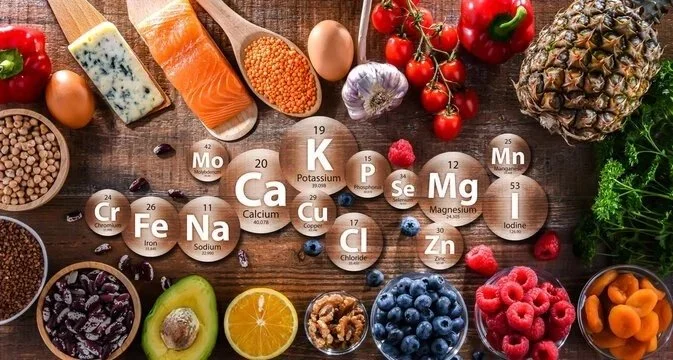
The Big Four: Calcium, Magnesium, Sodium, and Potassium
These four minerals work as a team. It’s not about having more of one. It’s about balance.
Calcium
Calcium is often talked about for bone health, but it also plays a major role in muscle contraction, nerve signaling, and inflammation. When calcium is too high relative to magnesium, the body can feel tight, rigid, and inflamed. Think muscle tension, headaches, anxiety, and difficulty relaxing. Calcium dominance is common in high stress states.
Magnesium
Magnesium is the calming mineral. It helps muscles relax, supports sleep, regulates blood sugar, and calms the nervous system. Low magnesium can feel like anxiety, restlessness, poor sleep, constipation, and muscle cramps. Stress burns through magnesium quickly, which is why so many people feel depleted.
Sodium
Sodium is not the enemy it’s been made out to be. It’s essential for adrenal function, blood pressure regulation, nerve impulses, and fluid balance. Low sodium can show up as dizziness, fatigue, low blood pressure, headaches, and feeling worse when you stand up. Many people under consume sodium while living in a constant stress state, which is a recipe for burnout.
Potassium
Potassium works closely with sodium to regulate fluid balance, muscle contractions, and heart rhythm. Low potassium can contribute to muscle weakness, cramping, constipation, fatigue, and blood sugar instability. Without enough potassium, cells struggle to properly use glucose and oxygen.
Important Trace Minerals You Don’t Want to Overlook
While the big four get most of the attention, trace minerals matter just as much.
Selenium supports thyroid hormone conversion and protects cells from oxidative stress. Even a mild deficiency can impact metabolism and immune function.
Iodine is critical for thyroid health and metabolic signaling. Without it, the thyroid cannot produce adequate hormone, affecting energy, mood, and body temperature regulation.
Phosphorus plays a role in energy production, bone health, and cellular repair. It works closely with calcium and magnesium to maintain structural balance in the body.
Chromium helps regulate blood sugar by improving insulin sensitivity. Low chromium can contribute to blood sugar swings, cravings, and energy crashes.
How HTMA Helps Uncover the Bigger Picture
This is where Hair Tissue Mineral Analysis, or HTMA, becomes incredibly valuable. HTMA looks at minerals as they are deposited in the hair over time, giving us a longer term picture of mineral patterns rather than a single snapshot.

HTMA helps uncover
• mineral deficiencies and excesses
• mineral ratios and balance between minerals
• stress patterns in the nervous system
• metabolic trends
• and heavy metal toxic load
Heavy metals like mercury, lead, aluminum, and arsenic can interfere with mineral function by displacing essential minerals at enzyme binding sites. When that happens, enzymes can’t activate properly, even if you’re consuming enough nutrients. This creates a functional deficiency and places extra stress on detox pathways and the nervous system.
HTMA allows us to see these patterns together. Not just what’s low or high, but how the body is adapting to stress, toxins, and long term depletion.
Why This Matters for Healing
Mineral balance lays the foundation for everything else. You cannot calm the nervous system, balance blood sugar, support hormones, or heal the gut without adequate and balanced minerals.
This is why I don’t jump straight to aggressive protocols. The body needs the right building blocks first. When minerals are supported correctly, the body becomes more resilient, adaptable, and responsive to change.
If you feel like you’ve “tried everything” and still don’t feel right, mineral balance and toxic load are often the missing link.